


Disclosure: This post contains affiliate links. If you buy through these links, Antifoodie may earn a commission at no extra cost to you.
You pull the sheet out and there they are. Twelve cookies that used to be twelve balls of dough, now fused into one continental landmass about three millimeters thick, with crisp lacy edges and no middle to speak of.
If your cookies come out flat, you did not ruin the recipe. Something in the chain between the mixing bowl and the oven rack let the butter melt before the structure set, and that is a fixable problem.
We have done this to ourselves plenty of times, usually in December, usually at 10pm, usually with company coming. So here is what is actually going on and the five things that fix it, in the order we would try them.
Why Your Cookies Come Out Flat
A cookie is a race. The butter is trying to melt and spread outward, and the flour and egg are trying to set into a structure that holds the shape. Flat cookies mean the butter won.
Everything below is a different way of giving the structure a head start.
Warm dough loses that race before it starts. Butter that has gone soft and greasy on the counter, or dough that got mixed and immediately scooped, is already halfway liquid when it hits the heat.
Too little flour loses it too. Flour is the structure, and most people measure it by scooping a cup straight into the bag, which packs wildly differently depending on how hard you push.
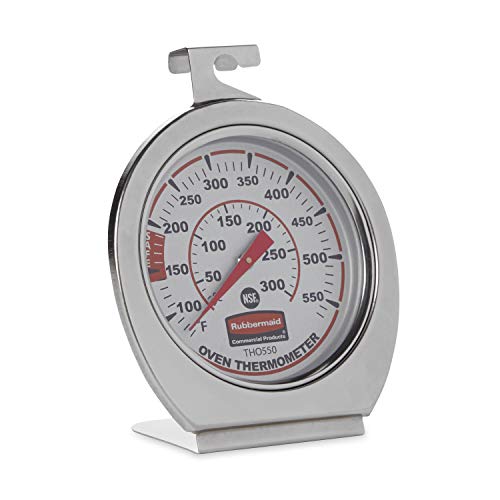
A cool oven loses it in the most frustrating way, because you did everything right. If the dial says 375 and the oven is actually running 340, the butter has an extra couple of minutes to spread before the edges set.
And a dark, warped, or greased pan loses it at the last second. Dark metal runs hotter on the bottom, a warped pan puts dough in contact with hot metal unevenly, and grease on the surface gives the dough a slip-and-slide.
The Fix
1. Chill the Dough. This One Is Free.
Thirty minutes in the fridge, covered, before the first tray goes in. An hour is better. Overnight is better still and it improves the flavor as a bonus.
Cold butter takes longer to melt, which means the flour and egg get their head start. If you only do one thing on this list, do this one, and it costs nothing.
The related mistake: dropping dough onto a sheet pan that just came out of the oven. That pan is 300 degrees and it starts melting the bottom of the cookie on contact. Let pans cool, or own two of them.


The Four Purchases, Ranked by What They Actually Fix
| Product | Price | What It Fixes | |
|---|---|---|---|
| Rubbermaid Commercial Oven Thermometer (Editor’s Pick) | $10.85 | An oven that runs cool and never told you | Amazon |
| Nordic Ware Naturals Half Sheet Set | $35.00 | Dark pans, warped pans, and reusing a hot one | Amazon |
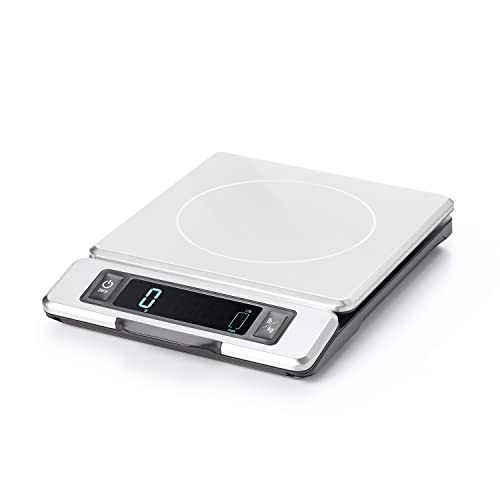
| OXO Good Grips 11-Pound Digital Scale | $51.99 | Mismeasured flour, the most common cause | Amazon |
| OXO Good Grips Medium Cookie Scoop | $16.65 | Hand warmth and uneven portions | Amazon |
How Do You Keep It From Happening Again?
Make the chill step part of the recipe, not an optional extra. Mix the dough, cover the bowl, and go do something else for an hour.
Leave the oven thermometer in the oven permanently and check it on the preheat every time. Thermostats drift, so the number you found in October will not be the number in March.
Weigh your flour every time, not just when you remember. Once you have the scale out it takes less time than packing a measuring cup.
And rotate your pans so one is always cool. If you are baking six trays of cookies, two pans in alternation is the difference between six good batches and one good batch followed by five sad ones.
One more thing nobody checks: your baking soda. It loses power sitting open in the cupboard, and weak leavening means less lift and more sideways spread. If the box has been open since last Christmas, buy a new one.
What If That Didn’t Work?
If you chilled the dough, verified the oven, weighed the flour, and they still spread, the recipe itself is probably butter heavy or sugar heavy. Higher sugar means more liquid at temperature and more spread, and some recipes are simply written that way.
Try adding two tablespoons of flour to the batch and chilling it longer. If it still spreads, the recipe is the problem, not you.
The other suspect is creaming. Beating butter and sugar for six minutes whips in a lot of air, and over-aerated dough collapses in the oven. Two to three minutes is plenty.
Butter temperature matters more than the recipe lets on too. Softened should mean cool to the touch and holding a dent, not glossy and slumping. If you got distracted and your butter went soft in a warm kitchen, put the whole bowl back in the fridge.
If this is pie season and not cookie season, the same butter temperature logic applies to crust, which we got into when we compared a food processor against a stand mixer for pie dough.
So Which One Should You Buy?
Start with the Rubbermaid oven thermometer. It is eleven dollars, it answers the question you cannot answer any other way, and about half the time it is the whole problem.
Buy the Nordic Ware two pack next if you are still baking on dark nonstick sheets or you only own one pan. That is a real fix for two real causes.
Buy a scale if you bake regularly. The OXO is the nice one, but any scale that reads grams does the job, so do not let the price here talk you out of the fix.
The cookie scoop is the one we would skip unless you are doing holiday volume. It helps, it just helps less than the other three, and it has the weakest reviews of the group.
The Practical Move
Chill your dough tonight, and spend eleven dollars on an oven thermometer before you buy anything else. Those two steps fix flat cookies more often than everything else on this page combined.
Flat Cookies FAQ
Why do my cookies come out flat?
Almost always because the butter melted before the dough could set, which happens when the dough is too warm, the flour was under-measured, the oven is running cool, or the pan is dark or already hot. Chilling the dough and checking your actual oven temperature fixes most cases.
Does chilling cookie dough really stop it from spreading?
Yes, and it is the single most effective fix on the list. Cold butter takes longer to melt in the oven, which gives the flour and egg time to set the structure before the cookie can spread sideways.
How long should I chill cookie dough?
Thirty minutes is enough to see a difference and an hour is better. Overnight is best of all because the flour hydrates and the flavor improves, though you may need to let the dough sit out for ten minutes before it will scoop.
Can a bad oven make cookies flat?
Easily. An oven running 30 or 40 degrees cool gives the butter extra time to spread before the edges set, and your dial will not tell you. Hang an oven thermometer inside and bake to the number it shows, not the number you set.
Should I grease the pan for cookies?
No. Grease gives the dough a slick surface to spread across and makes the problem worse. Use parchment paper on a bare light-colored pan instead.
Do silicone baking mats make cookies spread more?
They can. A silicone mat insulates the bottom of the cookie so the base sets more slowly while the butter is still melting. If your cookies already spread too much, switch to parchment.
Flat cookies are a timing problem, not a talent problem. Give the structure a head start and the recipe will work the way it was written.


